

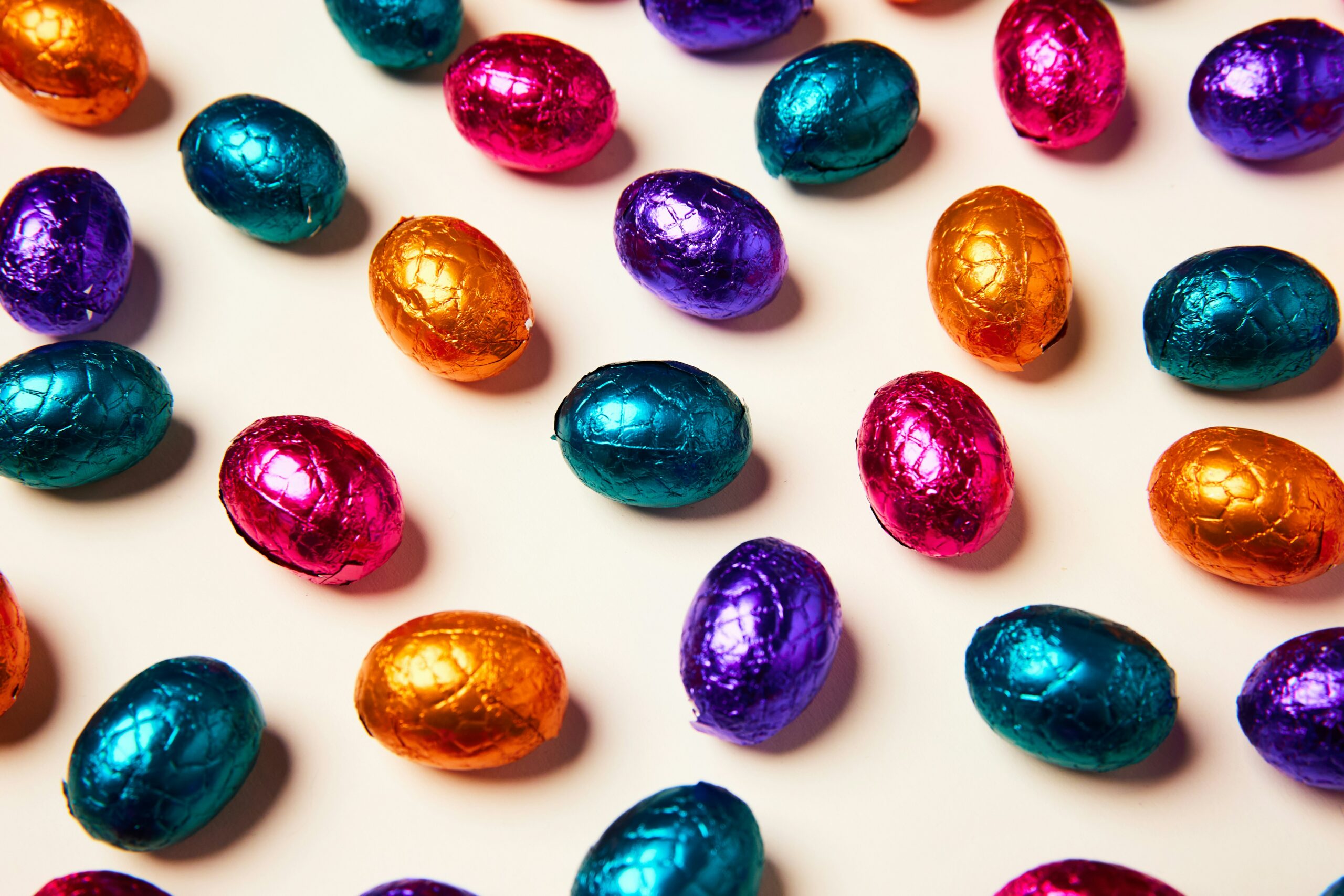
Easter eggs are no longer just a seasonal treat. They now compete in a market shaped by creativity, pricing, and the need to catch shoppers’ attention.
In 2026, brands are innovating with Easter eggs by combining flavours, exploring new formats, and raising prices. While the media highlights these trends, shoppers remain practical in their purchases.
We asked UK shoppers about their Easter egg plans this year. The results reveal a clear gap between what people talk about and what they actually buy.
Easter is rooted in gifting
At its core, Easter remains a social and family-driven occasion.
-
56% are buying for their children
-
41% for their partner
-
20% for parents and extended family
At the same time, 1 in 5 shoppers are now buying Easter eggs for themselves. Easter is increasingly a time for small treats and gifts, with more people feeling comfortable picking something up for themselves.
A category defined by clear spending boundaries
UK shoppers are highly conscious of how much they spend on Easter eggs.
On average, shoppers spend just under £8 per egg, and most set clear limits:
-
40% won’t spend more than £10
-
30% cap their spend at £5
As one Pulser put it:
“I only buy when they’re on offer. Unless I see something really unusual that takes my fancy.”
Buying behaviour is tightening in 2026
Compared to 2025:
- 35% say they’re buying fewer eggs
- 9% are buying more
- 48% say their behaviour hasn’t changed
Easter isn’t being skipped in 2026, but maybe it is being approached more carefully. Shoppers are buying fewer eggs and putting more thought into each purchase.
Supermarkets dominate
Most still buy their Easter eggs from supermarkets, with around 80% choosing major chains such as Tesco, ASDA and Sainsbury’s. Followed by:
- 26% get their eggs from discount retailers such as B&M and Home Bargains
- 25% prefer to head to discount supermarkets such as Aldi or Lidl
- 20% opt for premium retailers such as M&S or Waitrose
However, loyalty to just one shop is low. 78% have switched shops for a better deal, with 28% saying they do this regularly at Easter to get the best prices.
Deals are driving the category
Special offers don’t just influence behaviour in 2026, they drive it.
- 46% wait until eggs are on offer to buy one
- 40% actively look for deals on their trips to the shops in the run-up to Easter
Timing plays a key role in purchase decisions. As one Pulser admitted:
“If I buy too early, I just eat them.”
Price is important, but quality still matters most
It’s a competitive chocolate market, but Brits told us what they prioritise when choosing an Easter egg:
- 67% said price
- 63% said taste
- 40% said size and value
And when forced to choose:
- 78% would pick better chocolate over a bigger egg
Shoppers are looking for good value, not just the cheapest or largest option.
Value is about quality, not quantity
When defining what makes an Easter egg feel “worth it” in 2026.
- Quality was ranked the top choice
- Only 17% said size
Despite the shrinkflation headlines, we are starting to see a shift towards wanting better chocolate, rather than simply more of it.
Meanwhile, brands are testing the limits
While shoppers remain practical, brands are continuing to experiment. This year has seen:
- A £12.99 crisp-filled chocolate egg from Selfridges and Torres, combining sweet and savoury
- A £90 luxury ostrich egg from Hotel Chocolat, designed as a statement piece
- An adult-themed Easter egg from Lovehoney with unconventional ingredients and positioning
These products are designed to stand out, and they do.
Curiosity is there… but scepticism follows
Take the crisp egg:
- Around 70% would consider trying it
- Driven by social buzz (36%) and curiosity (28%)
But:
- Nearly 50% say it feels gimmicky
There’s clear interest, but also hesitation.
Price is where many draw the line
For the £12.99 crisp egg: More than half say it’s too expensive or unreasonable.
For the £90 egg:
- 60% call it ridiculous
- Nearly 60% say nothing justifies that price for some chocolate
Luxury exists, but for a niche audience
When asked who high-end eggs are really for, 50% say “people with money to spare”
And when choosing between options, 75% would rather have several cheaper eggs than one luxury egg. Shoppers are open to indulgence, but within clear limits.
Some innovations push too far
More unconventional products receive a more cautious response. With adult-themed Easter eggs:
- Over 40% say they feel completely gimmicky
- Many feel they stray too far from what Easter represents
There’s a fine line between different and excessive.
So what do shoppers actually want?
When describing their ideal Easter egg:
- 38% favour well-known brands
- 32% want premium chocolate quality but at a reasonable price
And in terms of format:
- 34% prefer one large treat egg
- 33% want a mix of options
- 28% favour smaller formats
No single product dominates, but the direction is clear. Familiarity, nostalgia, and value continue to drive decisions.
As one Pulser reflected:
“I loved it when you used to get mugs with the egg!”
What’s defining Easter 2026
This year, the Easter market shows a clear divide.
What gets attention:
- bold flavours
- premium price points
- unconventional concepts
What gets bought:
- familiar brands
- reasonable prices
- good quality chocolate
Shoppers are engaging with the spectacle, but buying with care.
A more intentional Easter shopper
Easter is still important, but it has evolved. Consumers are more:
- Price-aware
- Selective
- Deliberate
Innovation still matters, but only when it aligns with what shoppers actually want. So, while brands are pushing the category further than ever, most shoppers are still choosing products that feel familiar, fairly priced, and worth it.