

January rarely eases people gently into a new year, and 2026 was no different. This monthly snapshot captures how people across the UK reacted to the stories that landed as winter set in, routines restarted, and patience was tested. All insights come from real-time responses shared by the OnePulse community as the month unfolded.
Week 1 of 2026
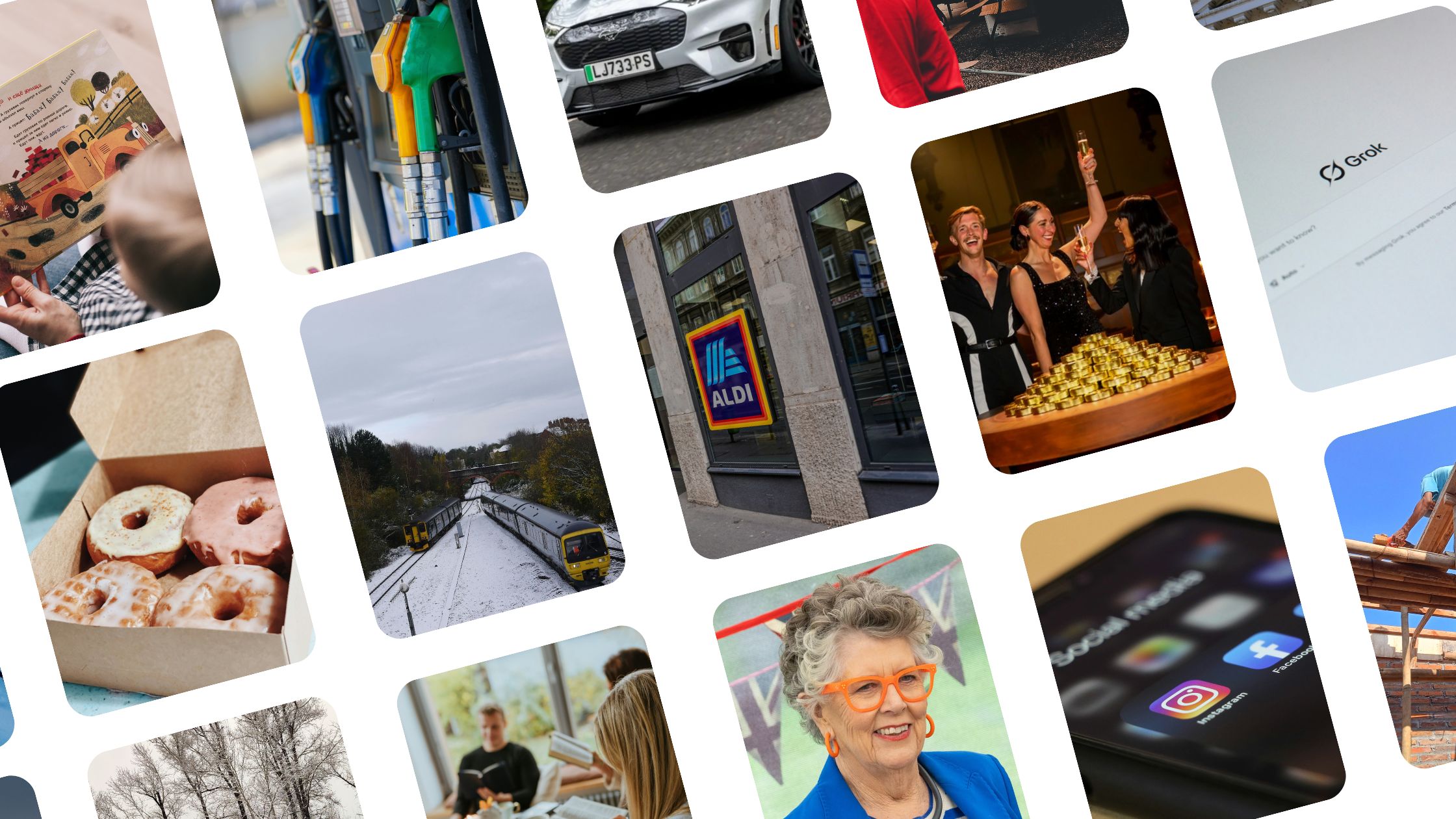
The first full week of January brought a sharp cold snap across the UK. Snow, amber weather warnings and blizzard conditions hit just as people returned to work after the holidays. While travel disruption dominated the headlines, the mood wasn’t all doom and gloom. 27% said they actually love snowy weather, especially when it gives January a slower, cosier feel.
Staying in helped. The return of The Traitors quickly became one of the most talked-about TV moments of the week. Viewers were fully invested, with 56% loving the Secret Traitor twist. Most had already predicted it would be Harriet or Fiona, and they were right. Fiona’s reveal delivered the kind of comfort TV many crave in January.
Public policy news landed less warmly. The UK junk food advertising ban came into force, but confidence was low. Just 12% think banning junk food ads before 9pm will genuinely help reduce childhood obesity, while 56% believe parents have more influence than television advertising.
Elsewhere, familiar stories prompted familiar reactions. Tyson Fury announced another return to boxing in 2026, and few were shocked. 33% expected it, while 43% think one final big payday is the real reason. ASOS news cut through more positively, with plans to charge serial returners from February. 39% say charging is fair, and 60% would find seeing their personal return rate helpful.
Week 2 of 2026
The second week of January put value and protection front and centre. Aldi being named the UK’s cheapest supermarket for the fifth year running felt reassuring rather than surprising. With price the top priority when grocery shopping, and 17% always trying to shop at the cheapest option, saving money has become default behaviour.
Media news sparked more frustration. YouTube overtaking the BBC in UK reach led 56% to call it a wake-up call, while 65% said the TV licence should be scrapped. It reflected expectations that institutions need to work harder to justify what people pay.
Concern about harm ran through the rest of the week. Ofcom’s investigation into X Grok over AI-generated child abuse imagery saw 65% say platforms aren’t doing enough, with 61% wanting AI-generated images treated the same as real ones in law. Debate about banning under-16s from social media gained support too, with 60% saying it’s as damaging as smoking, alcohol and gambling.
One softer note came with the launch of the UK’s National Year of Reading. With screens everywhere, 65% said reading feels more important than ever in 2026, a small but telling pushback against digital overload.
Week 3 of 2026
The third week of January was noisy, but not especially convincing. Trump’s tariff threats stirred diplomatic anger, yet public reaction leaned towards fatigue, with 72% dismissing it as a tantrum.
Back on home soil, reassurance didn’t travel far. Rachel Reeves pointed to 2026 as the economic turning point, even as inflation edged up again. Just 8% believe current government promises will improve daily life, leaving confidence brittle.
One story cut through emotionally. Jesy Nelson speaking about her twins shifted a rare condition into the mainstream. Support moved quickly, with 66% backing routine SMA screening for newborns.
Policy struggled to find the same clarity. Only 10% see the £15bn Warm Homes Plan as solid, though 70% want it opened up beyond low-income households. Culturally, quieter signals emerged. Bible ownership stands at 64%, while teachers report children swiping at books. 60% think pages should come before screens.
Week 4 of 2026
The end of January saw the push for completely phone-free schools land with little drama, just relief. With 48% calling it long overdue, it sounded like adults drawing a line rather than picking a fight.
Comfort culture shifted without much fuss. Prue Leith stepping away from Bake Off after nine years was noted, not mourned. Only 16% saw the end of an era, while 42% were already curious about what comes next.
Health policy brought familiar caution. Plans to tackle the cancer postcode lottery were welcomed in theory, but 1 in 3 expect little to change. Promises still arrived with crossed fingers and folded arms.
And the future looked less reassuring on the roads. Driverless taxis heading for London in 2026 left 55% uneasy about narrow streets and chaotic traffic. Even falling petrol prices barely lifted the mood. At 131.91p a litre, 25% admit they don’t check anymore. Some costs are simply endured.
All statistics are based on real-time responses collected from the OnePulse community in January 2026.
Put your questions to thousands of real people who actively enjoy sharing their opinions, and see how quickly real-time insight can shape smarter brand decisions.
👉 Ask real people 👈