

This monthly snapshot captures how people across the US responded to rising costs, global uncertainty, and everyday lifestyle shifts as the weeks unfolded. All insights come from real-time responses shared by the OnePulse community as the month unfolded.
Week 13 of 2026
April Fools, Moon mission, rising global tension
The month opened with a bit of mischief in the air. April Fools’ Day tripped people up, with about a third (32%) admitting they got caught out by a prank. The month started lightly enough, but the mood shifted pretty quickly after that.
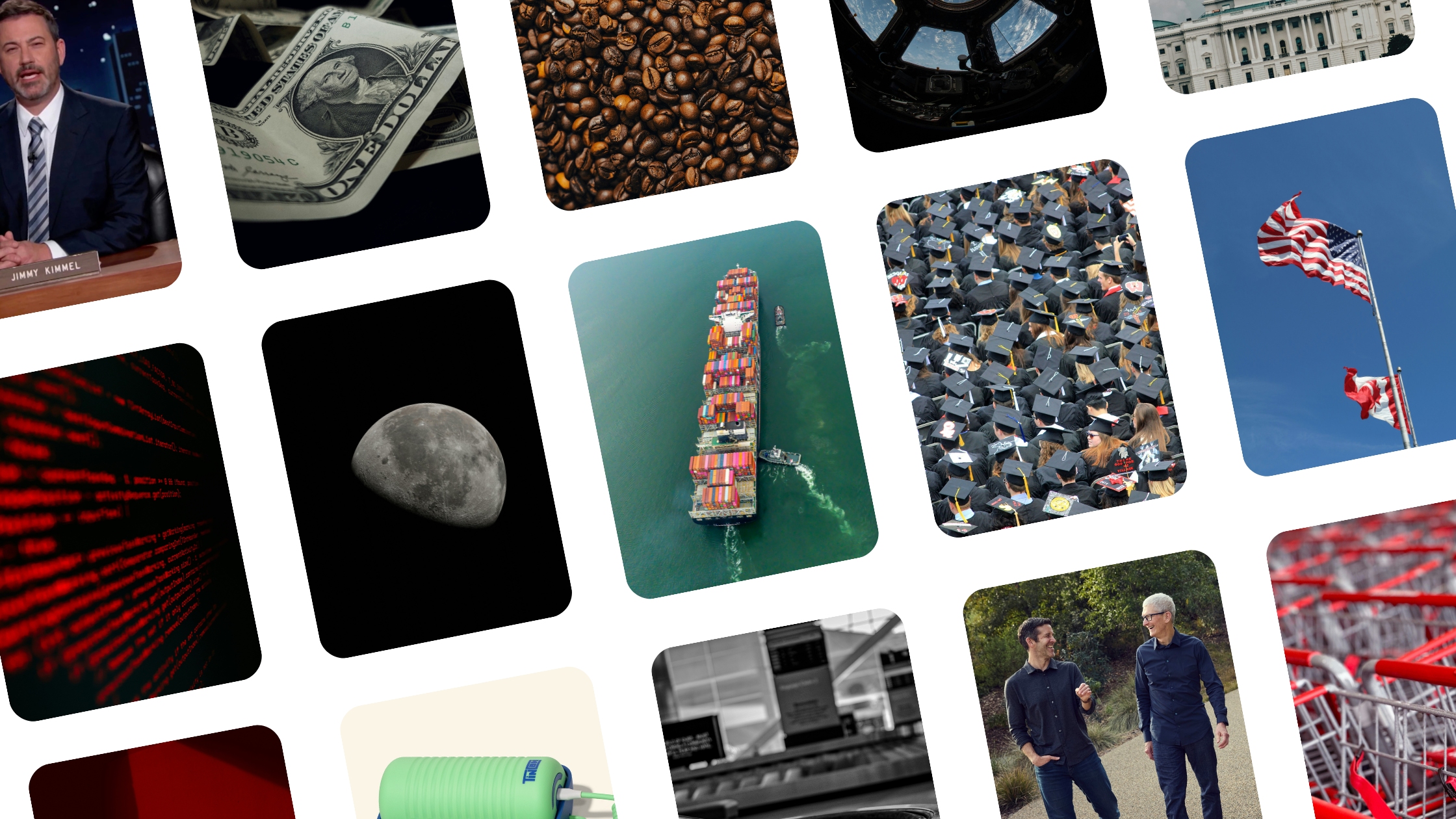
Soon after, attention shifted to space, as humans made a return trip around the Moon for the first time since 1972. Reactions to the mission leaned positive overall, with 30% expressing excitement and enthusiasm, while 20% described a sense of awe. At the same time, 15% shared skepticism, with some questioning the cost, feasibility, or even how real the mission felt. Another 10% reflected on the moment with a sense of nostalgia.
With so much feeling uncertain, people are looking for more control where they can. Around 70% said they’d consider a second citizenship, with close to 40% pointing to the cost of living as a key reason.
That same need for stability shows up in smaller ways too. Reese’s is going back to its original recipe after backlash over ingredient changes and criticism from the founder’s grandson. The company says it will return to the classic formula by 2027, and 54% say it bothers them a lot when a brand changes a recipe.
Week 14 of 2026
Ceasefire talks, financial pressure, everyday trade-offs
This week opened on a cautious note. A temporary ceasefire between the US and Iran eased tensions slightly, but most don’t expect it to last. In fact, 71% said they have low confidence it will hold.
At the same time, rising gas prices are creating pressure in everyday work. Gig drivers are feeling the strain, and most aren’t willing to take on higher costs. About 55% said they wouldn’t pay more to support drivers, while 45% said they would.
Beyond that, conversations turned to income and financial stability. More Americans are moving into higher earning brackets, but questions around what’s actually “worth it” are still front and center.
That’s showing up clearly in education. Not all graduate degrees are seen as a smart investment, with opinion split almost evenly. Around 33% said yes, 34% said no, and another 33% aren’t sure.
Looking further ahead, population trends are also getting attention. Birth rates have been falling for years, and 61% said that doesn’t come as a surprise. More than half, 57%, expect the decline to continue over the next decade.
To round things out, some lifestyle shifts are landing well. Phone-free dining is picking up, with about 73% calling it a good idea, as more people look for a break from constant screen time.
Week 15 of 2026
Trade shifts, public projects, and online advice
Trump’s proposed sculpture garden for America’s 250th birthday could miss its deadline, with reports suggesting no statues will be ready by July 4. For many, the bigger debate isn’t even the timeline; 38% focused more on taxpayer cost, while 37% paid closer attention to which historical figures get included.
Canada is starting to question how much its economy should rely on the US after new tariffs and growing tensions. 1 in 2 Americans think that if Canada does more trade and investment with other countries, it would have some effect on the US economy. Many said the US should try to repair its relationship with Canada and lower tensions instead of pushing the trade conflict further.
Apple’s entering a new chapter, with John Ternus taking over as CEO and Tim Cook moving to board chair. Even with growing pressure around AI, most people still want Apple to stick to its strengths and keep building great devices.
And while Apple looked toward the future, another story had people focused on their own backyards. A fast-spreading “jumping worm” spotted in Colorado raised concerns among gardeners and environmental officials. About 4 in 10 said they want more research into how to stop invasive species like this from spreading.
Students are also turning to new places for financial help. More Gen Z students are turning to TikTok to search for scholarships, though Americans seem pretty divided on whether that’s a good thing. Around 37% said TikTok is the wrong place for scholarship advice altogether, while others felt it can still be useful if students carefully fact-check what they find.
Week 16 of 2026
Security concerns, free speech, and AI worries
Safety’s back on America’s minds after a shooting near a major DC hotel during the Correspondents’ dinner. More than 8 in 10 said they’re concerned about political violence in the US today, with nearly half saying they’re very concerned.
If there was one thing people weren’t whispering about this week, it was free speech. After the FCC challenged ABC station licenses and former FBI director James Comey faced charges tied to a controversial social media post, around 6 in 10 said they’re worried about free speech. Opinion stayed divided over where political speech crosses the line.
In a slightly more polished turn of events, King Charles III headed to Washington. The visit came during a tense stretch for global relationships, but most still want the US and UK to stay closely connected—84% said the two countries should continue working together either very closely or somewhat closely going forward.
This week’s trust issues stretched well beyond Washington. The Supreme Court is weighing whether Roundup labels should include stronger cancer warnings, and concerns about chemicals seem much broader than one product alone. In fact, 56% said they believe more than half the products they use could contain harmful chemicals.
The trust conversation even reached the coffee aisle. Trader Joe’s faces a lawsuit over claims that some coffee products may not contain as much caffeine as customers expected. Even though many people judge coffee strength by taste, close to 6 in 10 said brands should clearly disclose exact caffeine amounts.
Meanwhile, AI keeps blurring the line between impressive and uncomfortable. Taylor Swift reportedly moved to protect her voice and image from AI-generated content, and nearly half said deepfakes feel more scary than fascinating. Another 65% expect more artists to take similar action soon.
All statistics are based on real-time responses collected from the OnePulse community in April 2026.
Put your questions to thousands of real people who actively enjoy sharing their opinions, and see how quickly real-time insight can shape smarter brand decisions.
👉 Ask real people 👈