


Most film brand deals are transactional. A logo on a cup. A character on a box. Toy Story 5’s partnership slate is something else.
Look at the brands Disney has signed: Kellogg’s, Papa John’s, AT&T, and Fresh Del Monte. On the surface, cereal, pizza, telecoms, and fruit. Nothing major. But look at it through the lens of what the film is actually about, toys competing with technology for children’s attention, and every deal starts to make a very different kind of sense.
Each partnership reflects a specific insight about what their audience believes. Not who they are demographically. What they feel. What they remember. What they’re anxious about. We ran some Pulses to speak with 2,000 UK and US consumers and get reactions to the standout Toy Story 5 partnerships.
Key takeaways
- 84% of consumers would choose a nostalgia-branded product over an unbranded one at the same price, but nostalgia is stronger in the UK (92%) than in the US (77%).
- 59% would go out of their way to visit a Pizza Planet pop-up. US consumers are more likely to make the trip than UK consumers.
- Only 20% find AT&T’s partnership hypocritical. 65% would trust a tech brand more for honestly acknowledging screen time problems.
- 71% think more highly of Disney for choosing fruit over fast food, but only 17% say it changes what they buy.
Kellogg’s x Toy Story 5
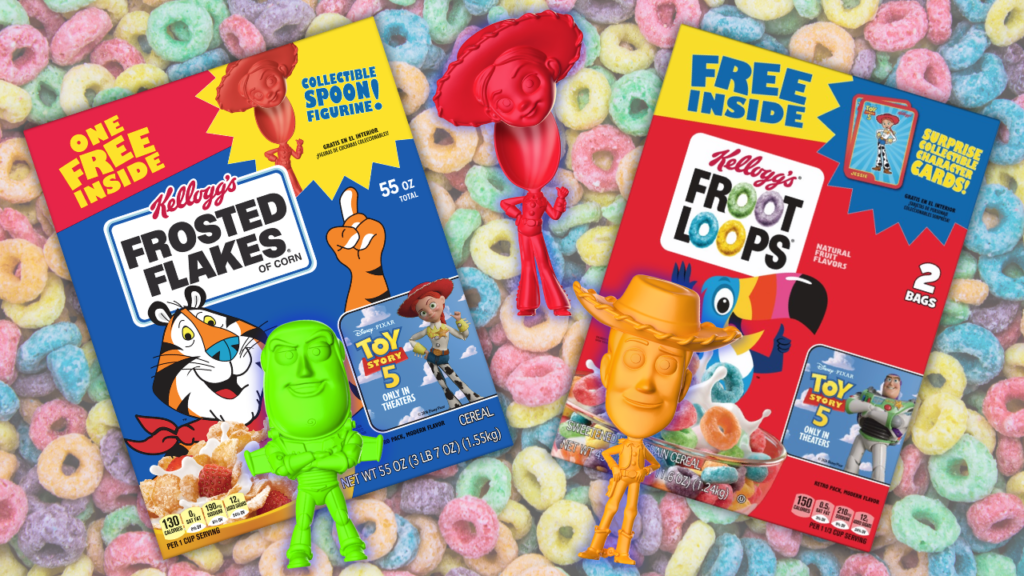
For the first time in more than ten years, physical toys are returning to cereal boxes for Frosted Flakes, Froot Loops, Apple Jacks, and Corn Pops. There are also Toy Story trading cards, collectable spoons, and movie ticket offers.
At first glance, this looks like a campaign for kids. But the real audience is the adult at the table. Millennial parents remember the excitement of finding a toy in a cereal box. Disney is not just selling cereal; they are giving parents a way to share that same feeling with their children.
The numbers support this idea. 83% remember finding a toy in a cereal box as a child, and 48% say this comeback makes them more likely to buy that brand. When asked what most often leads to an unplanned purchase, nostalgia (48%) beats discounts (38%).
The difference between the UK and the US is clear. At the same price, 92% of UK shoppers would pick a nostalgia-branded product over a plain one, while 77% would do the same in the US.
Papa John’s x Toy Story 5
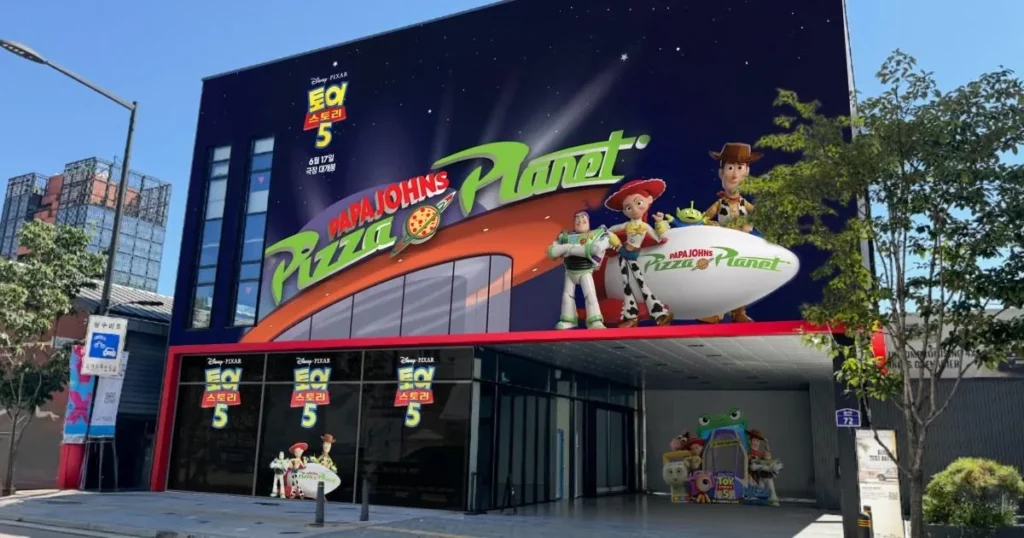
Papa John’s is running the first-ever pizza partnership in Toy Story history, character-inspired pizzas and full Pizza Planet pop-up experiences in London, Los Angeles, Seoul and Madrid.
For thirty years, Pizza Planet has existed only on screen. Disney could have built a generic movie-themed activation. Instead, they built the exact thing fans have been quietly wishing for since 1995. That decision required confidence that the demand was real before committing to four global cities.
Our data shows it was justified. 59% of consumers say they would go out of their way to visit an immersive recreation of a fictional location from a film they loved growing up, and 62% say that a brand doing so would make them feel more positive about it overall.
There is a clear transatlantic difference here, too. US consumers are more enthusiastic about the pop-up concept, 25% say they would very likely visit, compared to 16% in the UK. Americans are also more likely to feel positively about a brand that recreates a fictional space (24% much more positive in the US vs 16% in the UK).
AT&T x Toy Story 5
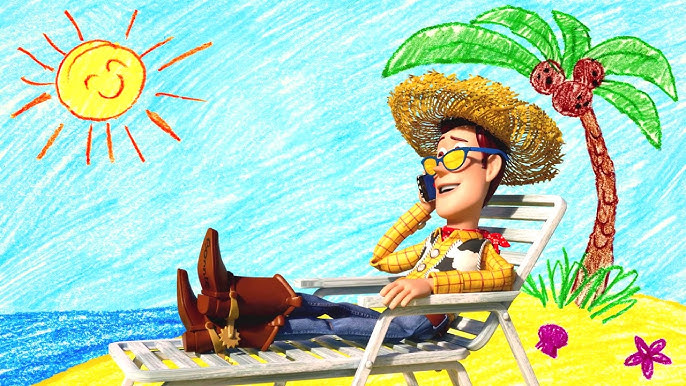
Toy Story 5’s plot centres on toys competing with technology for children’s attention. One of its biggest brand partners is AT&T, a telecommunications company whose entire business is screen time. Disney has positioned AT&T as the brand that helps families stay connected, rather than pushing more consumption.
The reframe works. Only 20% find the partnership hypocritical. 40% say it’s clever if AT&T positions itself as part of the solution, and a further 26% say it depends entirely on how the campaign handles it. The contradiction isn’t the risk, the creative execution is.
65% would trust a technology brand more if it openly acknowledged that too much screen time is a problem and built its campaign around helping families find balance. Two-thirds are ready to reward a tech brand for that kind of honesty.
The cultural context differs noticeably between markets. UK consumers feel more personal anxiety about screen time. 40% say it genuinely bothers them, compared to 31% in the US. UK consumers are also more likely to feel conflicted about their use of technology (43% vs 33%). However, the US edges ahead on finding the AT&T premise personally relevant, 61% in the US vs 63% in the UK say the film’s anti-screen message resonates with them, a smaller gap than the guilt numbers might suggest.
Fresh Del Monte x Toy Story 5
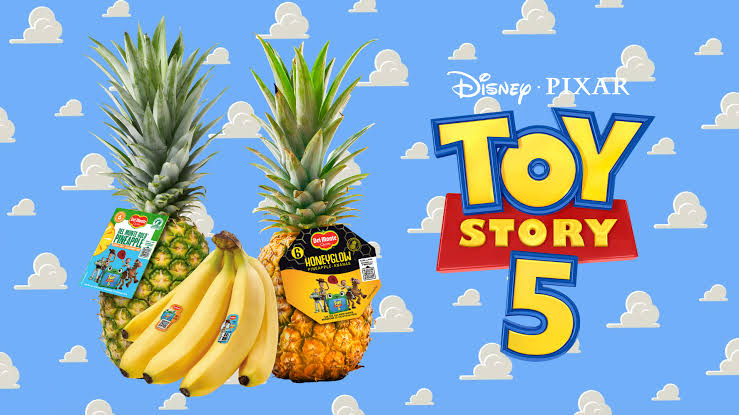
Over 600 million Toy Story fruit stickers and tags. Themed packaging. QR-code sweepstakes. A blockbuster animation that could have gone straight into the fast-food deal chose fresh fruit instead.
Millennial parents are significantly more likely than previous generations to call themselves health-conscious and feel guilt around branded junk food. A Del Monte partnership signals that Disney understands the kind of parent their audience is trying to be.
71% say they think more highly of a film or brand that chooses a health-conscious partner over a confectionery or fast food brand. But here’s where it gets interesting: only 17% say values-led choices genuinely influence what they buy. 44% notice and feel more positive, but don’t buy differently.
The US-UK split is significant. US consumers respond more strongly to the values signal. 76% think more highly of the film because of the Del Monte choice, compared with 66% in the UK. US consumers are also more likely to say the choice actually influences their purchasing (21% vs 12%). The Del Monte partnership may therefore have a stronger commercial case in the US than the UK, where the perception uplift is real but the purchase effect is more limited.
What marketers can learn from Toy Story 5’s brand partnership strategy?
Every partnership on the Toy Story 5 list reflects the same discipline: know what your audience believes before you decide how to speak to them. Not who they are. What they feel. What they remember. What they’re anxious about.
The Kellogg’s deal works because 83% of millennials remember cereal box toys. The Pizza Planet pop-ups work because 59% of the audience would genuinely travel to visit one. The AT&T partnership works because 65% of consumers in both markets would actively reward a tech brand for acknowledging the screen-time tension honestly. The Del Monte choice works differently in each market, a stronger brand-perception play in both countries, but a more meaningful purchase driver in the US than in the UK.
None of that is guesswork. All of it is knowable.
Before Disney signed any of these partnerships, someone knew what their audience believed. Do you know what yours believes?
OnePulse is a consumer survey platform built for marketers who need fast, reliable audience insight before the brief is locked and the budget is committed.
No agency middleman. No month-long fieldwork window. Just real consumers sharing genuine opinions fast enough to actually inform a decision.
Book a demo, or sign up and send your first survey for free!