

Throughout 2025, the UK lived through a constant stream of headlines. Some were heartbreaking, others nostalgic, many frustrating, and plenty sparked debate in the pub, the group chat, or the work Slack. And because this is Britain, everyone had an opinion.
Every single day of the year, we asked thousands of people across the UK what they thought about the latest news, as it happened, via our mobile app. No hindsight, no spin. Just real reactions in real time.
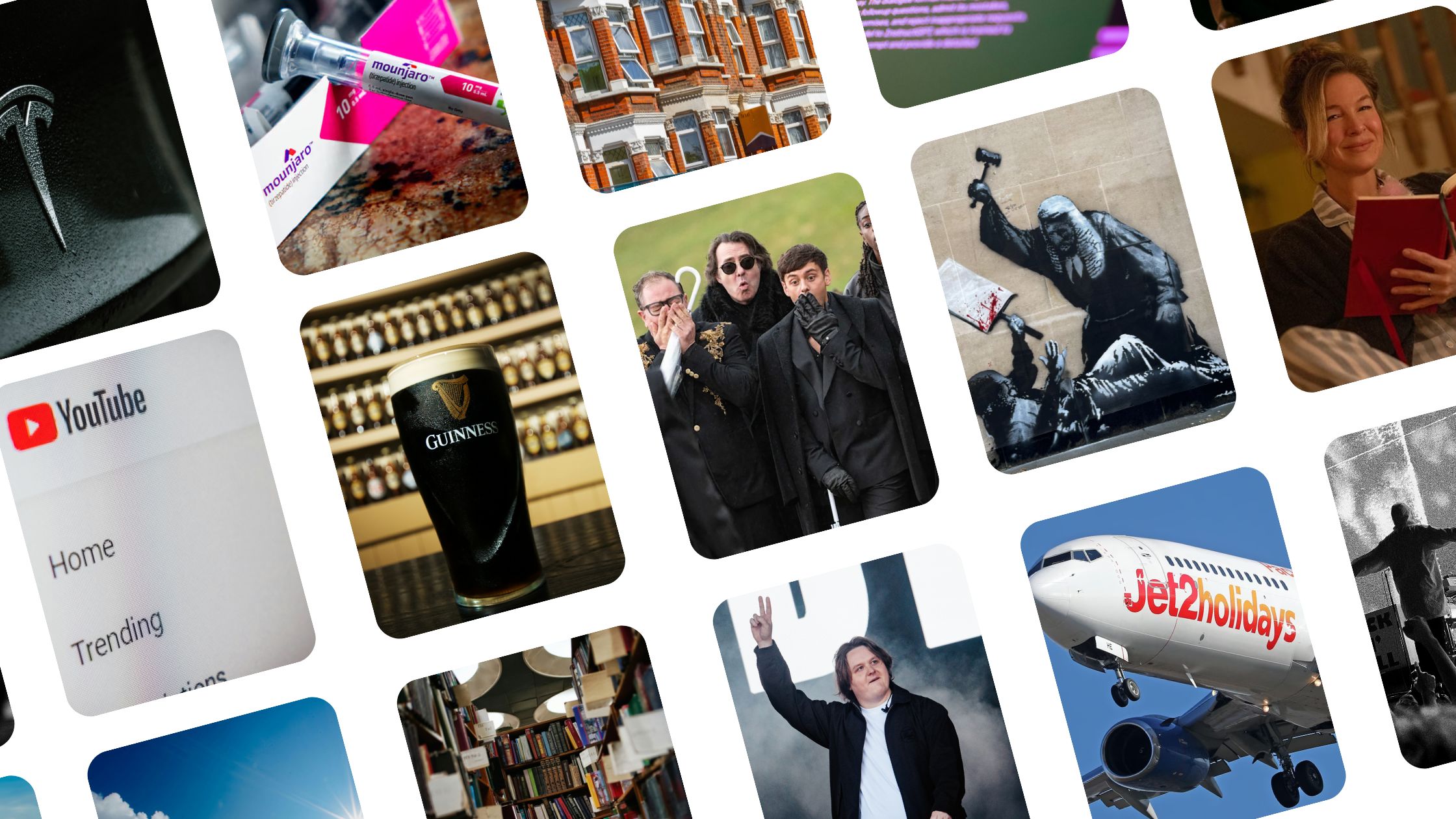
We’ve gone back through hundreds of Pulses to create this 2025 Pulsing Review, pulling together standout moments from each month that best captured the national mood. From Wetherspoons price hikes and £5 pint panic, to Bridget Jones nostalgia, seagull run-ins, Strictly farewells, and the comfort of The Traitors returning, this round-up reflects the stories that hit hardest, divided opinion, or simply felt very, well, British.
Here’s how 2025 played out, month by month.
January
The month opened with sad news as RuPaul’s Drag Race UK winner The Vivienne passed away. When asked what makes drag queens so powerful, 30% of Brits said it’s the empowerment and confidence they bring to self-expression.
Stormzy’s McDonald’s Famous Order divided opinion, with 24% saying it sounded spot on and 27% calling for a few tweaks. Over at Wetherspoons, price rises tested the nation’s patience. Drinks went up by 15p, meal deals by 30p. 20% were annoyed, while one in four shrugged it off.
UK retailers reported record levels of theft and violence, with shoplifting up 27%. 63% said they’ve felt uncomfortable or unsafe in a shop because of someone’s behaviour. And workplace culture sparked debate after BrewDog co-founder James Watt claimed Brits are among the least work-oriented people in the world. His push for “work-life integration” didn’t land, with 56% saying it’s absolutely not better than work-life balance.
And sport brought its least surprising headline of the year as Tyson Fury retired. Again. 68% said he’d be back, and they were… wrong.
February
New research painted a bleak picture, labelling the UK the unhappiest country in Europe for children. When we asked what might actually improve things, 40% said cutting back on social media and tech would make kids happier.
That fed straight into the wider conversation about online harm. The government’s Online Safety Act promised tougher rules, but charities warned it still didn’t go far enough. 48% said they worry platforms don’t act quickly enough when harmful content appears.
There were lighter moments too. News of a new Bridget Jones film had people leaning into early-2000s comfort, with 65% calling the movies a true British classic. Guinness also had a moment. A new brewery was announced on the back of the viral “splitting the G” trend, and 43% named Guinness as their go-to stout, compared with 11% who preferred a craft stout.
Shopping habits shifted as well. Thanks to platforms like Vinted, 42% said they regularly buy or sell pre-loved clothes, proving second-hand had become properly mainstream. And to finish the month, Mummy Pig announced baby number three, which somehow dominated the news cycle. 20% said they were shocked that something like that got so much mainstream attention.
March
March mixed everyday money worries with bigger social debates. Aldi began selling National Lottery tickets, and when asked what they’d do with a win, Brits kept it sensible. Paying off debts or a mortgage topped the list, followed by buying property.
The 40th anniversary of the miners’ strike reignited conversations around workers’ rights, and it still clearly resonated. 42% said they’d support a similar strike today if it meant protecting jobs. Children’s welfare also made headlines, as doctors called for an end to the “reasonable punishment” defence. 33% said the government should step in on smacking, particularly with Scotland and Wales already having bans in place.
Elsewhere, brands and billionaires collided. Kia took a swipe at Elon Musk with a viral post, and 49% said Musk’s political antics had changed how they view Tesla. Closer to home, pub-goers were bracing themselves as landlords warned the average pint could soon creep past £5. The reaction was swift, with frustration and disbelief bubbling up at the thought of paying more than a fiver for a pint.
April
Booking a driving test had become almost as competitive as getting Glastonbury tickets, with average waits stretching to 20 weeks. The public verdict was blunt. 63% summed it up in one word. Ridiculous.
On a lighter note, padel continued its rapid rise. The tennis-squash hybrid exploded across the UK, and while many hadn’t tried it yet, 44% said they’d have loved to give it a go. Royal Mail also tested solar-powered postboxes with parcel hatches and scanners, and 48% said they were fully behind the idea.
Keir Starmer backed a proposal to ban cigarette sales for anyone born after 2009, and 64% said they supported the move, with many viewing it as a health-first decision rather than a headline grab. A new lender, April Mortgages, also made waves by offering up to seven times income, but only with a 10- or 15-year fixed rate. 33% said it sounded too risky, while 18% said they wouldn’t touch it with a barge pole.
And finally, a quick check on London etiquette. “Double bagging” on the Tube was rife. 9% admitted they’d done it, which is either admirable honesty or a very quiet confession.
May
The competition watchdog launched an investigation into whether vets were overcharging for medication, treatments and even cremations. It rang true for many, with 60% of pawrents saying they’d felt overcharged at the vets.
The government announced plans to lower the minimum age for train drivers from 20 to 18 to address staff shortages, though 18% felt that was too much responsibility at that age. HSBC also made waves after telling staff they’d need to be in the office at least three days a week or risk losing part of their bonus. 47% said it’s fair to link bonuses to office attendance.
There was anger and sadness after two men were found guilty over the felling of the Sycamore Gap tree, with 66% saying the act deserved a criminal record. On a lighter note, Ruth Jones won a BAFTA for her role as Nessa in Gavin & Stacey: The Finale, and 51% said the win was long overdue. Tidy. Eurovision also returned with its usual mix of hope and heartbreak. Only 17% thought the UK would take the crown, and, well. We didn’t.
And finally, strawberries stole the show. After a gloomy winter and a gloriously sunny spring, crops grew huge, with some berries hitting 50g. Not everyone was impressed though. 18% insisted the bigger the strawberry, the worse it tastes.
June
June arrived with the full British combo. Sneezing, sweating, and discussing it in far too much detail. Hay fever flared up across the UK, and 27% of sufferers blamed climate change for symptoms getting worse year on year. Then the country briefly turned tropical. Parts hit 34°C, hotter than Barbados, and 46% said our obsession with talking about the weather was completely justified, given how unpredictable it had been.
Wimbledon followed, along with prices that made people clutch their wallets. A £12.25 Pimm’s had 28% saying it was steep but fair for Wimbledon, while 44% said they’d keel over at the bar.
Elsewhere, England and Wales scrapped the Vagrancy Act of 1824, and a third didn’t even realise sleeping rough had been illegal. Health headlines kept coming. The NHS announced plans for whole genome sequencing for every baby in England, with 42% of parents feeling mostly relieved and 29% optimistic it could transform the NHS. GPs also began prescribing Mounjaro, though 38% felt weight loss should be treated more like a mental health issue too.
And on the culture front, Lewis Capaldi returned after two years out of the spotlight with “Survive”, racing up the charts. It clearly struck a chord. 39% said they felt more connected to artists who were open about health struggles.
July
July felt like three group chats going off at once. The Bank of England promised a long-overdue banknote glow-up, its first full redesign in around 50 years, with nature and wildlife emerging as the favourite theme. Meanwhile, Scotland floated the idea of a nationwide “seagull summit”, and 1 in 2 Brits admitted they’d had a run-in with a gull. Chips were never safe.
Trust in institutions took a knock after arrests at the Countess of Chester Hospital linked to failures around the Lucy Letby case. Only 15% said they trusted the NHS to investigate serious incidents internally. Online culture stayed loud, too. Two-thirds said content creators have a significant impact on society, and 11% admitted viral food trends made them want to try things, hello angel hair.
Pop culture was unavoidable. The “Nothing beats a Jet2 holiday…” voiceover became impossible to escape, with 40% saying it irritated them very quickly. Oasis kicked off their reunion tour in Cardiff, and 22% said the best thing about them was the 90s nostalgia. Then the music. There was sad news as well, with Ozzy Osbourne passing away, and 32% saying rock music wouldn’t be the same without him.
Elsewhere, 45% described the UK–France migrant deal as a good start but not enough. Royal Mail confirmed it would scrap Saturday second-class deliveries, and 73% said they’d rather accept reduced services than pay more. And in peak 2025 fashion, a Greater Manchester McDonald’s trialled an adults-only work zone, with 25% of remote workers saying they’d swap their coffee shop for a Maccies.
August
With food inflation rising and festive favourites already pricier than before, Christmas started looming far too early. 74% said they’d noticed their food shop getting more expensive, which made “shall we host?” feel like a trap. Nostalgia didn’t help either. Freddos, once a 10p staple, were now a pricey little frog, and 60% said they rolled their eyes at the cost.
How we spent our time shifted too. Ofcom revealed YouTube had overtaken ITV as the UK’s second most-watched service, and 27% said they’d ditched live TV in favour of YouTube. Travel trends also got a bit unhinged, with extreme day trips on the rise. A bucket-list destination was the top reason people said they’d do it.
The internet did what it always did. Newcastle’s Jack Kay went viral after an Ibiza dance video and instantly became the “Ibiza Final Boss”. Not everyone fancied that kind of overnight fame though. 35% said they’d go undercover if they suddenly went viral themselves.
Tech had a moment as OpenAI launched ChatGPT Study Mode, designed to guide learning rather than just hand over answers. Looking back, 41% of uni grads said they’d probably have got a higher grade if it had existed when they were studying. Meal deals also crept up in price, yet 1 in 10 still said they were good value. And in a small but oddly emotional twist, the last £1 coins featuring Queen Elizabeth II entered circulation, with 36% saying they’d keep one as a souvenir.
September
September brought chaos, culture, and a fair bit of anxiety. A flight from Manchester to Cyprus diverted to Germany after a drunk passenger kicked off mid-air, sparking calls to ban booze onboard. 24% said airlines should stop selling alcohol.
Back on the ground, M&S gave people something nicer to focus on. The revamped Oxford Street food hall impressed, with 71% saying M&S felt more like a treat than a normal food shop. Truffles even had a moment, with climate change tipping Scotland as a potential hotspot, though only 19% thought they were worth the hype.
Culture stayed front and centre. Banksy struck again on the Royal Courts of Justice, and 73% called it a bold protest. Owen Cooper made history as the youngest-ever Emmy award winner, with 70% saying young actors deserve recognition alongside seasoned professionals.
But nerves lingered. B&Q announced 650+ job cuts, and 54% said job security feels like a thing of the past. The government floated the Brit Card, with 23% keen and 42% worried about control. A book revealing Queen Camilla’s past sexual assault shifted perceptions for 38%, while expanded free childcare saw 20% of women say they’d consider timing getting pregnant to qualify.
And to finish on something closer to national identity, Heston Blumenthal backed cutting VAT for pubs, and 57% said pubs are a core part of who we are.
October
It was Free Wills Month, yet only 20% of Brits said they actually have one. Everyday costs kept creeping too. Greggs put its breakfast prices up, though 26% still said it’s good value, while beef prices jumped 27.5%, pushing 1 in 4 beef eaters to cut back.
There was chatter about extending Sunday trading hours, with 70% in favour, and autumn arrived with its usual bugs. With colds, Covid, flu and RSV circulating, 28% said we’re all more germ-aware since the pandemic. The Connect to Work scheme also landed, placing job advisers in GP surgeries, and 22% said it makes sense.
Online shopping raised eyebrows as designers accused Temu of selling knock-offs, though 15% admitted they’d still buy a bargain. The morning-after pill became free at pharmacies, and 37% said calling that irresponsible is just judgment.
Culture delivered some big moments. Tess Daly and Claudia Winkleman announced they’re stepping away from Strictly, and 67% said it’s the right time. The Celebrity Traitors gave us a TV moment of the year when Celia Imrie let out a nervous fart and owned it, something 16% admit they’ve also done. There was sad news in books, too. Dame Jilly Cooper died aged 88, and 30% said it’ll send people back to her novels.
Royal news rounded things off. Prince William talked about modernising the monarchy, with 55% saying tradition and modernity can coexist, while 41% felt Prince Andrew losing his titles was about protecting the monarchy’s reputation.
November
David Beckham was knighted, and 35% said it was overdue, Bake Off crowned Jasmine the winner, and her decision to appear on screen without hiding her alopecia landed. 38% said someone else’s openness about how they look has helped them feel more confident.
British Airways announced it’s bringing free high-speed WiFi to most flights. However, 1 in 4 secretly enjoy the forced disconnection. Coldplay, Dua Lipa and Radiohead called for the government to cap resale prices, arguing bots and touts are pricing real fans out. The public was fully on side. 90% agreed there should be a legal cap on ticket resale prices.
The UK’s defence plan was criticised for moving at a “glacial” pace, and just 10% believe there’s a serious, well-publicised plan in place. Politics also stirred debate around scrapping the two-child benefit cap, with 57% saying it’s fair to limit support to two children.
Buckingham Palace gave us a classic case of expectations vs reality. People thought a full Christmas market was on the cards. It was actually just a pop-up shop in the stables. But if the royals ever did throw a proper festive market, the public had a clear pick for who’d be handing out the mulled wine. Queen Camilla.
To round it off with telly. I’m A Celeb came back, and before it even aired, Pulsers’ favourite was Martin Kemp. Fast forward, and it was Angry Ginge who went on to become King of the Jungle.
December
December brought festive warmth with a side of quiet panic. In Machynlleth, Christmas nearly went dark until a mystery donor stepped in to save the town lights. It struck a chord, with 31% saying they’d chip in extra cash to whoever runs their local decorations, if they could afford it.
Money worries lingered, too. The Bank of England warned many homeowners could soon see repayments rise by around £64 a month, and 51% said they’d struggle with the jump. Even comfort food wasn’t immune. Chippies are bulking out menus with burgers, pizzas and loaded fries just to survive, and 82% said losing traditional fish and chip shops would be a real loss. Some things really are sacred.
Health concerns crept back into focus during a rough flu season, with rising admissions and calls to wear a mask again if you’ve got symptoms, especially on public transport. 39% said it’s a sensible move, even if no one’s thrilled to reopen that particular drawer.
Author Sophie Kinsella passed away after being diagnosed with aggressive brain cancer. Her stories meant a lot to readers, with 31% saying her books felt like reading about their own life. And to finish on proper end-of-year comfort, The Traitors returns on New Year’s Day, bringing lies, loyalty, and Claudia Winkleman in full cape mode. 26% of fans say it’s in a league of its own when it comes to reality TV shows.
___
Looking back, 2025 wasn’t defined by one single moment. It was shaped by lots of small, everyday reactions. Frustration at rising prices. Comfort in familiar TV. Debate over work, health, technology and fairness. And plenty of opinions on things that probably shouldn’t have been headline news, but somehow were.
By asking thousands of people every single day what they thought as stories unfolded, this Pulsing Review captured more than just the news. It showed how Britain felt in real time. Honest, opinionated, occasionally contradictory, and unmistakably British.
And if 2025 proved anything, it’s this. Whatever the headline, the public always had something to say about it.